


What Buying Property in Thailand Gives You: Benefits and Limitations
What does buying an apartment in Thailand give you? A home by the sea, possible rental income and a way to diversify your capital. What it does not give you: an automatic residence permit, citizenship or guaranteed profit. We break down the benefits, foreign-ownership rights, costs and risks — and how to pay for the deal from Russia.
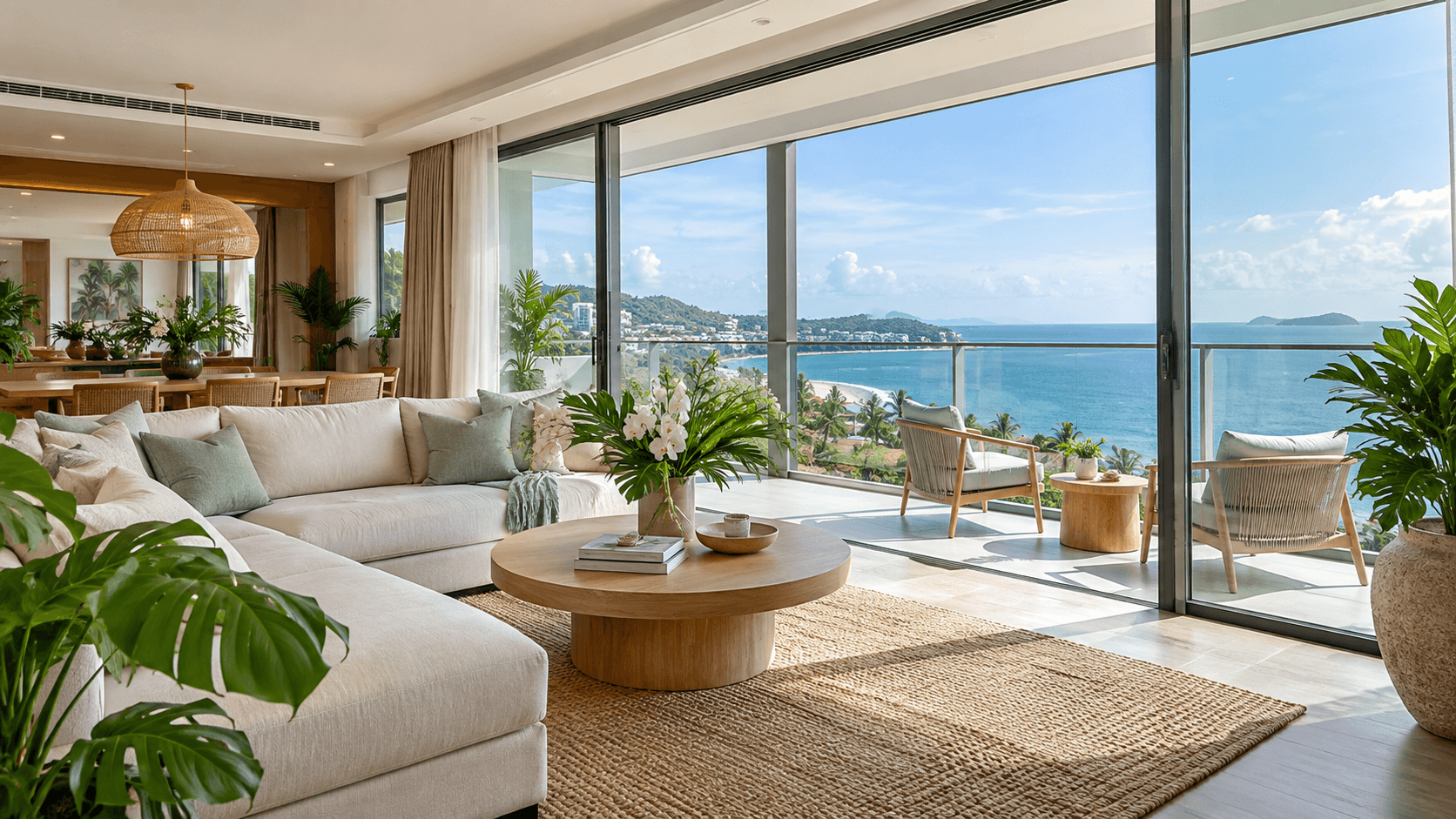
What are the benefits of buying property in Thailand
Buying property solves several tasks at once: you get a home of your own, an option to rent it out, and an asset in another currency and jurisdiction. The main advantages work only under certain conditions, so let's go through them one by one.
A home for holidays and long-term living
You can use the property for personal use: spend the season by the sea, live there all year or alternate. If you stay in the country for long periods, owning can sometimes cost less than permanent long-term renting — but only once taxes, fees and maintenance are included in the calculation. While you are away, the unit can be rented out.
Rental income
An apartment can be let by the day or for a longer term. Income depends on tourist flow, seasonality and location: in Phuket, for example, demand and rates are higher in the high season, while the rainy season can bring vacancies. Management can be handed to a management company for a share of revenue, which reduces net income. There is no guaranteed yield: passive income depends on the market and your occupancy, not on a seller's promises.
Preserving capital and price growth
Property is a way to diversify assets outside familiar banks and currencies. Prices can rise if an area develops, with transport, shops and new infrastructure appearing nearby, and the apartment can be resold if you wish. Price growth is not guaranteed, and currency swings can eat part of the profit.
Income in a foreign currency
Rent is usually paid in Thai baht. For an owner whose savings and expenses are tied to another currency, this is diversification, but also a risk: the real return depends on the exchange rate at the moment you convert the baht.
Does buying property in Thailand give residency or citizenship
No. Ownership and immigration status are different things: the apartment belongs to you, but you stay in the country on a visa. Buying property does not automatically give you a residence permit, citizenship or a right to live in Thailand indefinitely.
Property owners may have access to visa programs, but on general terms. For example, one category of the LTR visa allows property investment as part of its requirement:
This is a requirement for one visa category, not a consequence of buying any property, and the other conditions of the program must be met separately.
What rights does a foreigner get when buying property
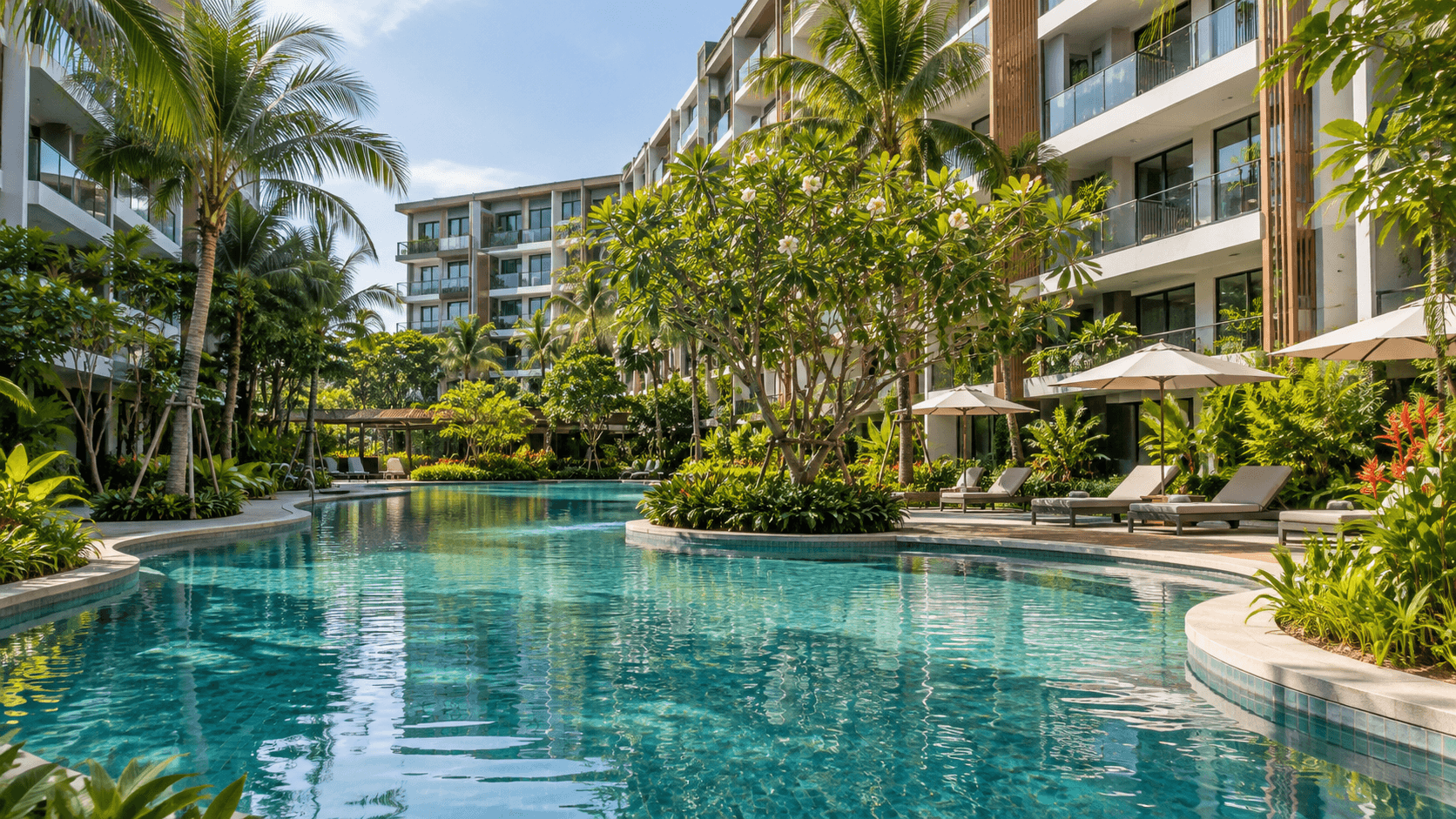
Buying an apartment in freehold
A foreigner can register a condominium apartment in their own name, just like a Thai citizen. There is one limit: foreign owners in total cannot hold more than 49% of the floor area of the building.
The owner may use the unit, sell it and dispose of it by law, including by will. Inheritance details are best discussed with a lawyer.
Long-term lease (leasehold)
Leasehold is a registered lease of up to 30 years at a time; by law, a contract for a longer term is cut down to thirty years. Renewal is possible only by agreement with the owner and is not guaranteed. This is not ownership: you lease the property, and your rights depend on the contract terms. More in the article on the difference between leasehold and freehold.
Can a foreigner buy a house or a plot of land
A foreigner does not receive land directly into ownership, and this includes the plot under a villa. The only narrow exception is an investment of THB 40 million or more, which is rarely approved. The building and the land are different objects: you can use a house and sometimes own the structure, while the plot is usually arranged through a leasehold or a Thai company. The second scheme requires a genuine rather than nominal structure: Thai authorities act against nominee shareholders.
What investment strategies are available to buyers
Buying to resell
You can buy an off-plan unit, wait for completion and sell. Risks: construction delays on the developer's side, low liquidity of some properties and special charges when selling within five years of purchase.
Buying an apartment to rent out
You can let it yourself or through a management company. A property always carries maintenance, repair and management costs, so look not at gross yield (revenue) but at net yield — after all costs and taxes. This difference is usually what surprises newcomers.
Buying with a guaranteed-income program
In Guaranteed Rental Return programs, a developer or operator promises the owner a fixed income for a limited period. The terms are set out in the contract with the management company: what is included in the price, for how long, and what happens if obligations are not met. Guaranteed income does not mean no risk: it depends on the solvency of whoever promises it.
Where is it best to buy property in Thailand
Phuket
A resort island with steady tourist demand and the best-known property market in Thailand for foreigners. Seasonality is pronounced, and the cost of ownership is higher because of fees and maintenance. In Phuket, prices depend on the area and proximity to the beach, and villas and apartments near the coast cost noticeably more than apartments away from it. That is why buyers in Phuket most often choose studios and small condominium apartments close to infrastructure.
Pattaya
Developed city infrastructure, an active rental market and a wide choice of properties — from studios to apartments — in different price categories.
Bangkok
City property, long-term rental and business infrastructure. In Bangkok, demand depends less on the tourist season, but the entry price is higher.
Samui and other resort regions
An island market: fewer listings, dependence on the season, lower liquidity and higher running costs.
The table describes general logic, not a forecast: in practice, the specific property, price and developer decide.
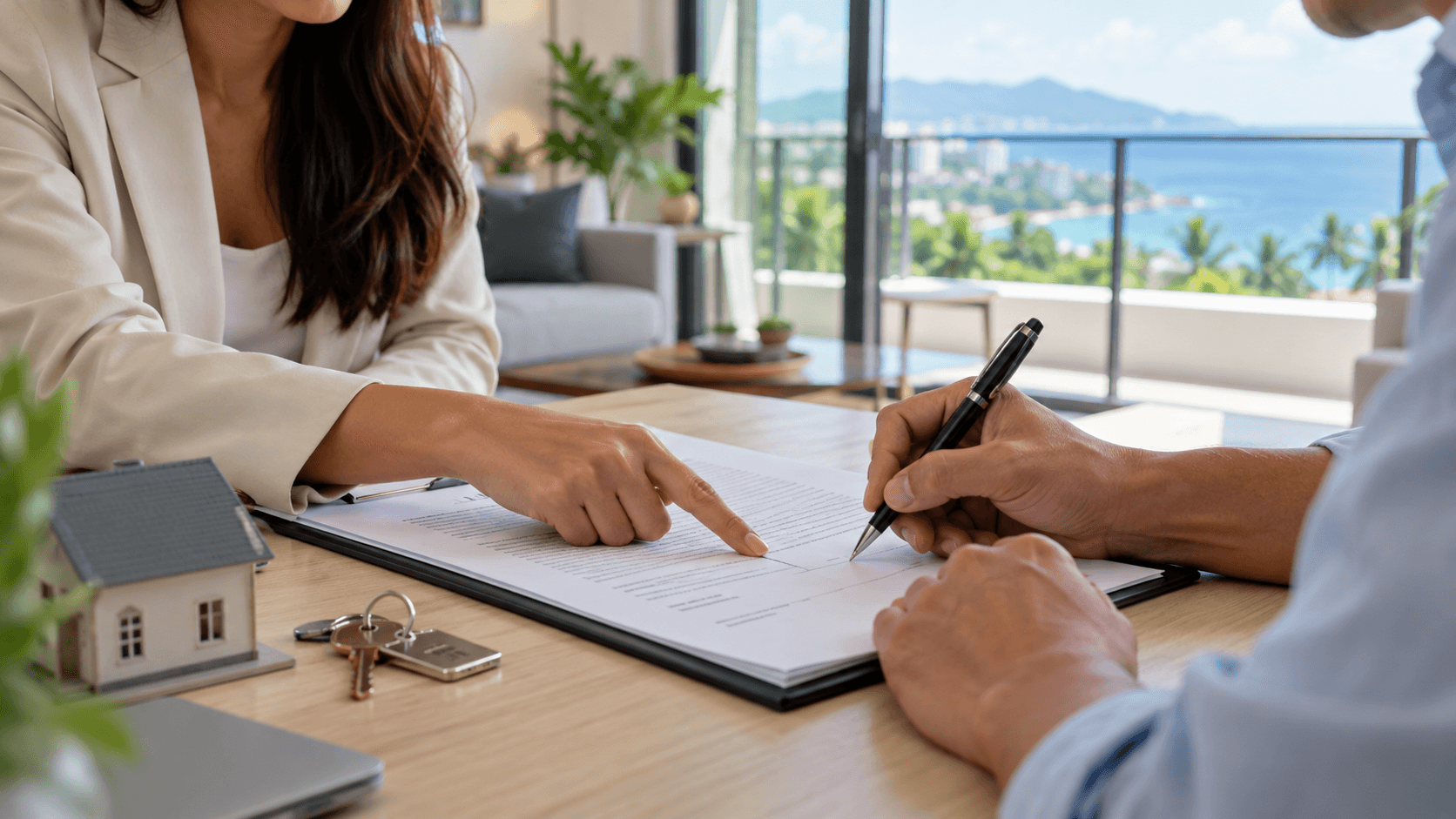
What costs come with buying and owning property
When you buy, you pay fees and taxes; when you own, you pay regular charges:
- Transfer registration. The fee is 2% of the appraised value of the property, and for some deals stamp duty is also payable. More in the breakdown of transaction costs.
- Legal support. Checking the property, the sale and purchase agreement and registration are a separate cost item.
- Condominium maintenance. Utilities and management company fees.
- Land and building tax. Annual tax rates are progressive and depend on how the property is used, see the separate article.
- Rent. Rental income is taxed; terms depend on your tax status, so consult a specialist.
- Sale. Tax on a sale within five years of purchase: the rate and conditions are stated differently on official resources, so check them before the deal.
What are the risks and drawbacks of buying property in Thailand
- Restrictions for foreigners. Only condominiums within the 49% quota; land through leasehold or a company.
- Legal risks. Checking the seller, the documents and the contract is mandatory.
- Construction. An off-plan property may be delivered late.
- Liquidity. Some properties are hard to sell quickly without a discount.
- Seasonality and vacancies. Occupancy falls in the low season.
- Currency swings. The baht rate affects both the property price and the income.
- Running costs. They do not depend on whether you live in the apartment.
- Short-term rental. In condominiums it is often limited by building rules and by law, so check the terms in advance.
How to pay for property in Thailand from Russia
Payment for the purchase is a separate stage, where questions arise most often. The main ways are a bank SWIFT transfer and payment through an exchange service. Whether a particular method is available depends on the bank, the amount, the payment purpose and current restrictions, so no clear promises can be made here.
Funds in baht arrive in the Thai account of the seller or developer, and the source can be rubles or other currencies. For large amounts, banks request supporting documents:
Registration at the Land Department requires a document confirming the inflow of currency (FET or Credit Advice): how they work. An EXFM manager agrees the fees, rate and timing before the transfer; details are on the property payment page and in the guide to paying from Russia.
Who is buying property in Thailand suitable for
- Those buying a home to live in and who spend long periods in the country.
- Investors counting on rental income, if they are ready for costs and vacancies.
- Those who need an apartment for seasonal holidays, such as a winter stay.
- Those who want to diversify assets.
Long-term renting pays off better if you come for one to three months, are unsure about your plans or are not ready for the costs and risks of an owner. More in the article how to rent accommodation in Thailand.
Frequently asked questions
Does buying an apartment in Thailand give the right to permanent residence?
No. Ownership and immigration status are not linked: you can stay in the country only on a visa, and a purchase alone does not provide one.
Can you get Thai citizenship for buying property?
No, buying property is not a basis for citizenship.
Can a Russian buy an apartment in Thailand in their own name?
Yes, in a condominium — within the 49% foreign quota of the building. Land cannot be bought directly.
Can you rent out an apartment you have bought?
Yes, but subject to condominium rules, restrictions on short-term rental and income taxes.
What yield can property in Thailand bring?
It depends on the area, the season and costs, and it cannot be guaranteed. Compare net yield, not a promised figure.
Can you buy property in Thailand without being there in person?
The deal can be completed through a representative under a notarized power of attorney, but the risks are higher. Check the documents in advance.
What taxes do property owners in Thailand pay?
On purchase — a registration fee; on ownership — land and building tax; on rental and sale — income taxes and, in certain cases, a specific business tax.
How do you transfer money from Russia to buy an apartment in Thailand?
By bank transfer or through an exchange service. The method depends on the bank, the amount and restrictions; an EXFM manager will suggest a suitable option.
Conclusion
Buying property in Thailand means a home of your own and a chance of income, but not a residence permit or guaranteed profit. Make the decision after comparing ownership costs with long-term renting and checking the quota, the documents and the developer. Once you have chosen a property, calculate the payment for the deal or message a manager: they will confirm the terms before the transfer.
Related articles

When Is the Best Time to Visit Thailand: Seasons and Weather by Month

How to Rent Accommodation in Thailand in 2026: Prices, Rental Terms and Ways to Pay
How to Pay in Thailand in 2026: Cash, Bank Cards and Other Payment Methods