Which Cards Work in Thailand in 2026 and What Russian Travelers Can Pay With
Russian-issued Visa and Mastercard cards, as well as Mir, are not accepted in Thailand. Among Russian banks, only UnionPay cards from two issuers — Rosselkhozbank and APB — have a chance of working, and only with caveats. Here is which cards work in Thailand in 2026, where they fail, and how to get baht in cash without a card — for example, by exchanging rubles for baht with EXFM.
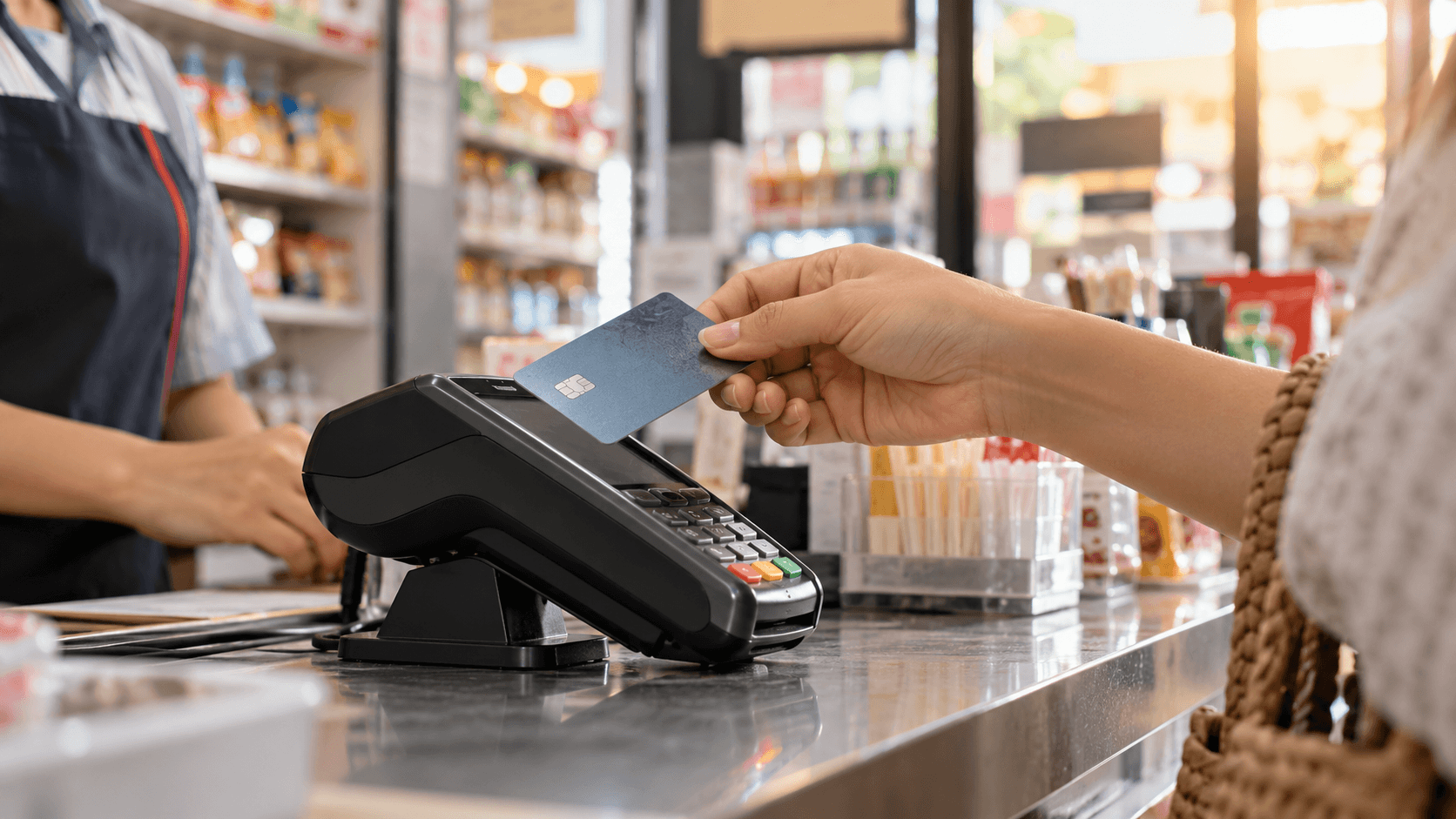
A typical scene: you fill a basket at a Thai supermarket, tap your card, and the terminal declines the payment. This happens to many Russian travelers in their first days in Thailand, so it is worth building a payment plan before you fly. Below you will find the cards that work, the cards that do not, and ways to get baht without a card. The information is current as of October 2026, but payment rules change quickly, so check important details with your bank before you travel.
Which bank cards work in Thailand in 2026
In short: only a payment instrument issued by a foreign bank works reliably. Russian-issued Visa and Mastercard are not accepted, Mir is not accepted either, and UnionPay from Russian banks remains a backup option you cannot rely on entirely.
Do Russian Visa and Mastercard cards work
No. Visa, Mastercard, American Express and JCB cards issued in Russia are not served in Thai stores: the terminal declines the payment immediately. There are no exceptions for "premium" or corporate cards, and a virtual card from a Russian bank on the Visa or Mastercard network does not help for the same reason.
Is Mir accepted in Thailand
No. Thai banks are not connected to Mir as acquirers, so the country's terminals do not serve these cards. The reason is not technical: on 23 February 2024 the US Treasury imposed sanctions on the operator of the system. We found no reports of Mir acceptance launching in Thailand as of October 2026, so do not plan a trip around it.
Do UnionPay cards from Russian banks work
Partly. The UnionPay payment system is widely present in Thailand, and UnionPay cards from Russian banks that are not under US blocking sanctions may work. According to traveler reports, these are cards from Rosselkhozbank (RSHB) and the Asia-Pacific Bank (APB), but ask the issuing bank whether the card works abroad. The payment system itself reports the following about acceptance:
This is a general statistic of the system, not a guarantee for cards of a specific Russian bank: in practice some terminals simply do not recognize the card. Russian cards, including UnionPay, are not accepted in Grab taxis. And one more detail: even if the issuing bank has no restrictions on international transactions, a particular terminal may still refuse the card.
So the rule is simple: take UnionPay as a backup together with cash, not instead of it.
Foreign Visa and Mastercard: which cards to use
The most reliable option is a Visa or Mastercard issued outside Russia — for example, by banks in Kazakhstan, Belarus, Armenia, Kyrgyzstan or Turkey. Such cards work in Thai stores and hotels like any other international card. The downsides: you need to open the account before the trip, and topping it up from Russia requires separate channels. Terms and requirements differ by bank, so it is best to apply well in advance.
Virtual bank cards: can you pay in stores and online
A virtual card from a foreign bank works for online purchases and bookings, and once added to Apple Pay or Google Pay, for contactless payments in stores. A virtual card from a Russian bank will not help: the payment network will decline the transaction regardless of format. Before choosing a card, ask the issuer whether it supports smartphone payments and whether there is a separate fee for transactions in baht.
Comparison of bank cards for payments in Thailand
Which cards to prepare before the trip
The best set: a Visa or Mastercard from a foreign bank as the main card, UnionPay as a backup, and a small supply of Thai baht for the first day. If you do not have a foreign card, rely on baht and exchange.
Why Russian bank cards do not work in Thailand
Restrictions by international payment systems
Since 5 March 2022 Visa and Mastercard have not served cards of Russian banks outside Russia, and the operator of Mir (NSPK) has been under US blocking sanctions since 23 February 2024. So a terminal's refusal depends not on your card settings but on whether the card is connected to a network that a Thai bank accepts. The payment systems' decisions were official:
With Mir the reason is different: on 23 February 2024 the US Treasury imposed sanctions on the operator of the system.
Why UnionPay depends on the issuing bank
UnionPay (China UnionPay) is a Chinese system, and its Russian cards work as long as the issuing bank is not under sanctions and keeps its connection to the network. Cards of banks under blocking sanctions do not work abroad. That is why different reviews name different banks and the list keeps changing: check the current status with the issuer itself.
Why a card may fail even when the payment system supports it
There are several reasons: the terminal is not connected to the required network, the issuer has blocked transactions abroad or a limit has been exceeded. It also happens that a store accepts cards only above a certain amount.
If your card is declined, that does not mean you are out of options. Foreign currency in Thailand may be legally exchanged only by licensed organizations: under Bank of Thailand rules, buying, selling and exchanging foreign currency is done through licensed banks and money changers. EXFM operates under Bank of Thailand license No. MC225670007, and baht can be received in cash, by courier or by transfer to a Thai account — calculate the amount.
Can you pay with a smartphone in Thailand
Does Apple Pay work
Apple Pay itself works in Thailand, but Russian Visa and Mastercard cards cannot be added to it, and the payment network would decline such a transaction anyway. What works is a virtual or physical card from a foreign bank.
Does Google Pay work
The logic is the same: contactless payment is possible if the card is issued by a foreign bank and supported by the service. A Russian card will not help.
Can you pay with a virtual card via NFC
Yes, if the virtual card is added to the phone's wallet and the terminal accepts contactless payments. A phone can run out of battery and the connection can drop, so a physical card and baht remain a reserve. It is convenient to get that baht reserve before your first payment: you can send an exchange request to an EXFM manager from home.
Which payment methods are available to Russians without a foreign card
Thai baht in cash
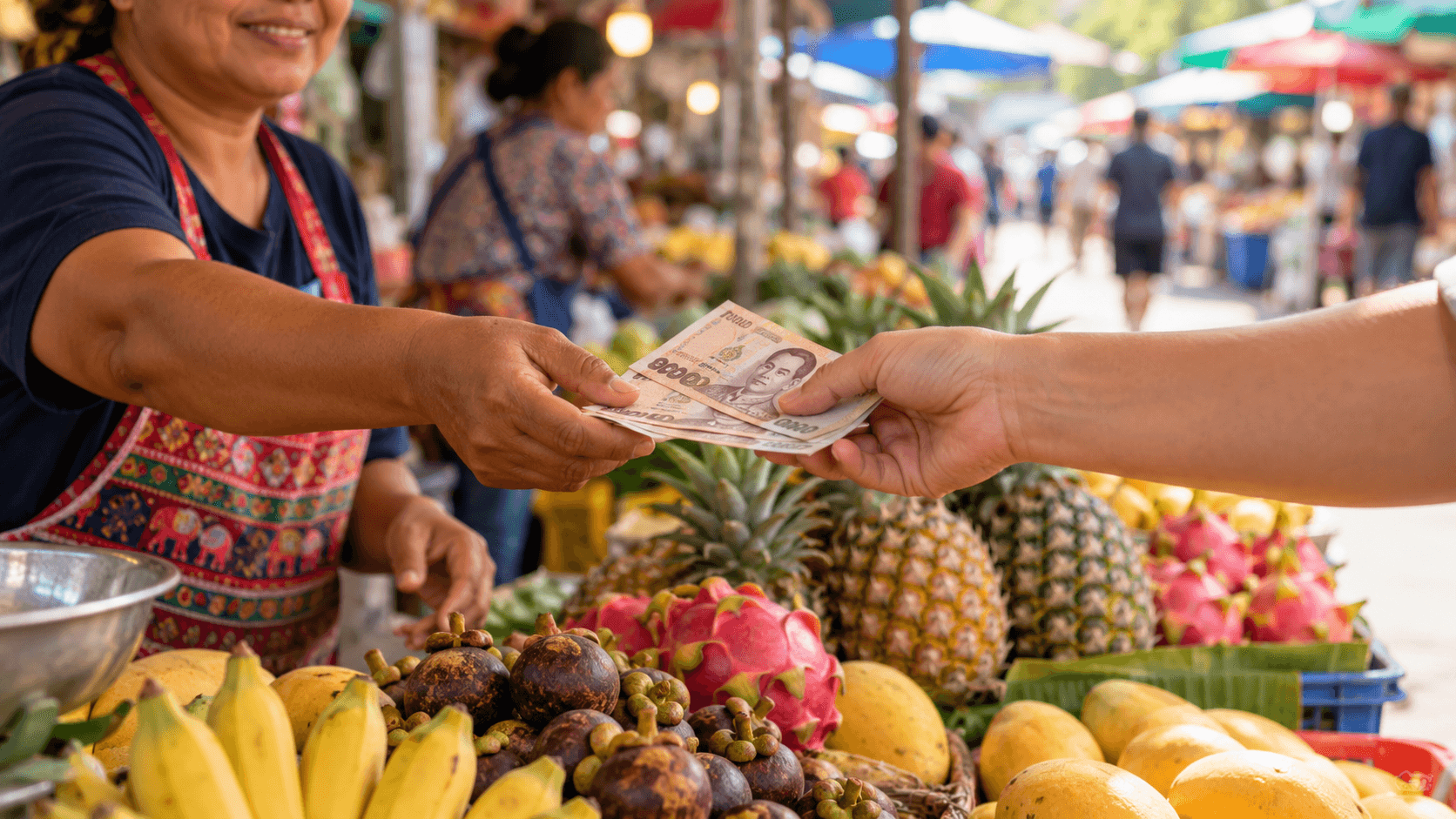
Baht is accepted everywhere: at markets, in taxis, in small cafes and in pharmacies. Bringing rubles for exchange is not advantageous; US dollars and euros are easier to exchange. Importing foreign currency is not limited, but large amounts must be declared.
On the Thai government's tourism portal thailand.go.th, the threshold for foreign currency is stated differently — USD 20,000. The sources disagree, so go by the lower amount: if you are carrying more than USD 15,000 in cash, declare it. Failing to declare is a criminal offense.
QR payments via PromptPay and compatible services
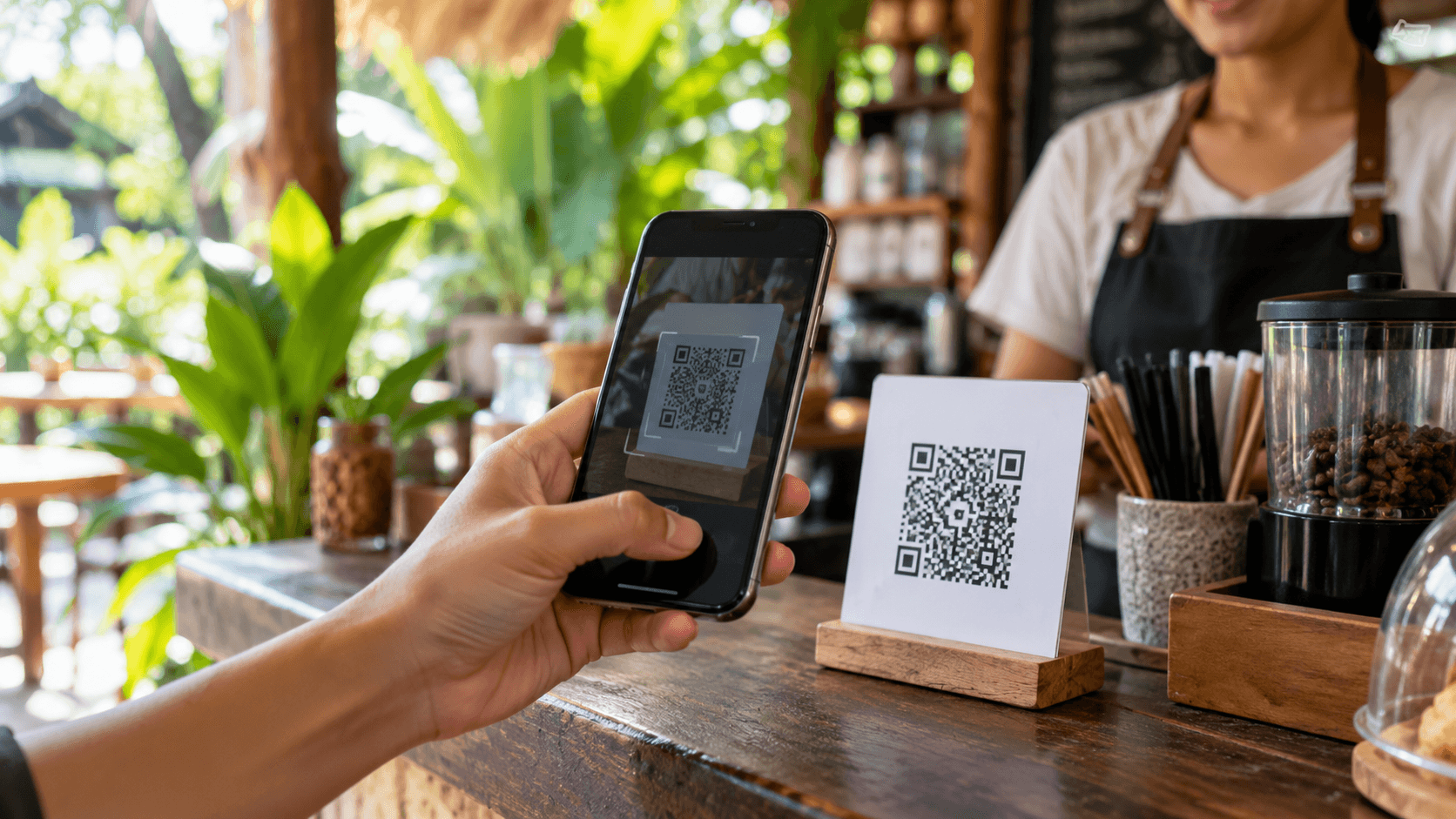
Thai QR is a national system used by local merchants. Since 22 April 2026 it can be used to pay from the Sber app: you scan the merchant's QR code, see the amount in baht and rubles, and the charge is made in rubles. The fee is built into the rate, so compare it with the exchange rate before paying. This method works only for business merchants' codes: personal PromptPay codes at markets and from street vendors do not work, and Grab, Bolt, hotels and online bookings do not accept this payment. Check the app's rate and fee on a small amount before a large purchase.
E-wallets and payment apps
Thai wallets such as TrueMoney require registration and verification, and they have to be topped up with cash or from a Thai account. For a short trip this is inconvenient; for a long stay it is a workable option, but you will first need a Thai phone number.
Cryptocurrency: options and limitations
So you cannot pay for a purchase directly with digital assets in Thailand: according to the SEC's statement on the launch of the TouristDigiPay pilot project for tourists, digital assets will not be accepted directly for goods and services — the merchant receives baht. We could not confirm the project's status in 2026, so the only real route is to exchange USDT for baht through a licensed exchange service, for example through EXFM.
Where and how to pay in Thailand
Supermarkets, malls and stores
Large chains accept plastic more often than small shops, but minimum amounts for card payments exist there too. For small purchases, keep baht on hand — you can get a supply for the first day at an EXFM office in Phuket or order a courier.
Restaurants, cafes and street markets
In restaurants and cafes people pay through a terminal; at street markets and small vendors it is mostly baht or Thai QR codes. Small notes are the most convenient for markets; when exchanging, ask the EXFM manager to give part of the amount in small denominations. If you need to pay by QR code without your own Thai card, ask the manager how to arrange it.
Taxis, public transport and tours
Tuk-tuks, taxis and public transport are usually paid for in baht. Grab does not accept Russian cards, but it accepts a foreign card or payment in baht to the driver. Tours with online payment often accept a card from a foreign bank.
Hotels, rentals and large purchases
Hotels accept cards from foreign banks, and for online bookings you need a payment instrument supported by the platform. For rentals and large purchases, a transfer to the recipient's account in the country is often used — more about property payments in a separate article.
How to get Thai baht if your Russian card does not work
Exchanging cash rubles, dollars and euros for baht
Dollars and euros are more convenient for Russians: they are exchanged more willingly and at a clearer rate. Rubles are not accepted everywhere, so you need a licensed exchange office. Compare the final amount in baht after all fees, not the advertised rate.
Exchanging rubles for baht through an exchange service
For Russians whose rubles remain in Russian accounts, transferring rubles through an exchange service is the shortest path: you transfer rubles and receive baht in Thailand in a convenient way. Details are in the EXFM section below.
Receiving cash or a transfer to a Thai bank account
Baht can be received in cash at an office, by courier, or by transfer to a Thai bank account. For a transfer, the account must be opened in the name of a foreign citizen, and the sender's name must match the account holder's name.
This describes receiving money by bank transfer from abroad: the fee and timing depend on the bank. When you exchange through EXFM, the manager confirms the amount and terms before the transfer — you can compare both options on your own amount.
Exchanging cash for baht with EXFM
EXFM is a licensed exchange service (Bank of Thailand license No. MC225670007): rubles are transferred via SBP or online contacts, and you receive baht in the country in a convenient way.
- Calculate the amount in advance. The calculator on the ruble-to-baht exchange page shows an approximate amount in baht, and the manager confirms the exact calculation before the transfer. For exchanges from 49,999 THB the rate becomes more favorable.
- Choose how to receive. Cash at an office, courier, Thai QR or a transfer to a Thai account.
- Get your baht at an office. The offices in Phuket are in the Surin, Karon and Rawai areas and are open daily from 10 to 22 Thailand time.
- Check the rate and terms. Managers reply in Telegram and WhatsApp daily from 09 to 00 Thailand time (GMT+7).
The fee is built into the rate and fixed before the transfer; there are no hidden charges. A passport is required for an exchange of any amount, and video verification is carried out for the first exchange.
What to do if your bank card stops working in Thailand
Check bank and payment system restrictions
Open your bank's app: check whether transactions abroad are blocked, whether a limit has been exceeded, and whether international payments are enabled. The list of restrictions on Russian banks changes, so go by the issuer's current information.
Find an alternative payment method
Switch to a backup: baht in cash, a card from another bank, payment via Thai QR. Do not retry a declined transaction repeatedly — the bank may block the card.
Get baht in cash without a working card
Contact an exchange service and choose how to receive: office, courier or a transfer to a Thai account. The manager will suggest the options available in your city.
Frequently asked questions
Which Russian cards work in Thailand right now? Among Russian banks, UnionPay from Rosselkhozbank and APB is possible with caveats. Visa, Mastercard and Mir from Russian banks are not accepted.
Can I pay with a Sberbank or T-Bank card? No, Visa and Mastercard from these banks are not accepted in the country. Sber lets you pay via Thai QR from the app — but that is a payment from a ruble account, not by card.
Can I pay with UnionPay from a Russian bank? Yes, if the card was issued by a bank without US blocking sanctions, for example RSHB or APB, and the terminal accepts UnionPay. Acceptance is unstable, so keep a backup payment method.
Do Apple Pay and Google Pay work with Russian cards? No. Contactless payment is possible only with a card from a foreign bank added to the phone's wallet.
Can I pay in rubles in Thailand? No, payments are made in Thai baht. Rubles must be exchanged for baht through an exchange service or paid via Thai QR from the Sber app, where conversion happens automatically.
Can I pay by QR code without a Thai account? Yes, but only through banking apps that support Thai QR, and only for business merchants' codes. Personal PromptPay codes do not work with this payment.
How do I get baht without a foreign card? Exchange rubles or another currency: cash at an office, courier or a transfer to a Thai account. The manager confirms the chosen method in the request.
Summary: which card to take to Thailand and which payment methods to prepare
Looking at the situation from the other side, the main mistake Russian travelers make is relying on a single card. A terminal's refusal does not depend on your balance, so you need at least two independent methods: a foreign bank card plus baht in cash. Add a Russian bank's UnionPay as a third layer, not the main one. If you have no foreign card, choose exchange: calculate the amount in advance and pick a convenient way to receive it.
Want to get baht without relying on a card? Calculate the ruble-to-baht exchange or write to a manager — they will confirm the rate and terms before the transfer.