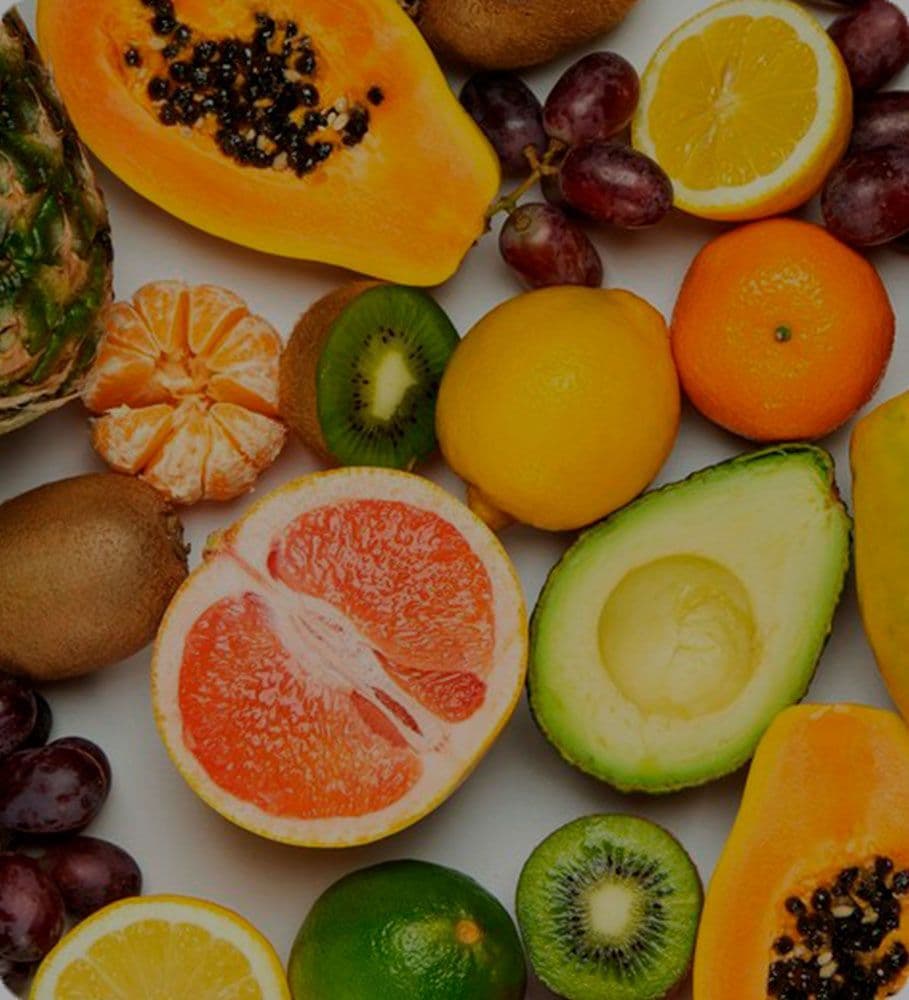
Exotic Fruits of Thailand - A Complete Seasonal Guide
Thailand is known for its beaches and temples, but its exotic fruit is just as memorable. Each one has its own season, so knowing when to look for it makes the difference between a good fruit and a great one.
Mango
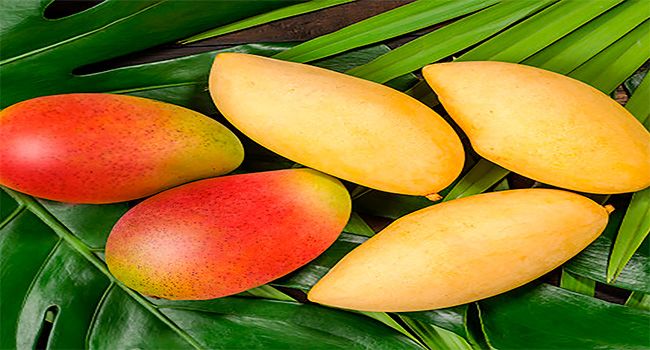
Season: March–June, peaking in April–May.
Mango is Thailand's best-known fruit — sweet, with soft, fragrant flesh. A few varieties worth trying:
- Nam Dok Mai — golden and sweet;
- Ok Rong — green-yellow, with a slight tartness;
- Mahachanok — red-green and fragrant.
How to pick one: a ripe mango gives slightly under gentle pressure and smells sweet. Skip anything with dark spots or bruising.
Nutrition: rich in vitamins A and C, and generally supports digestion and skin health.
Durian
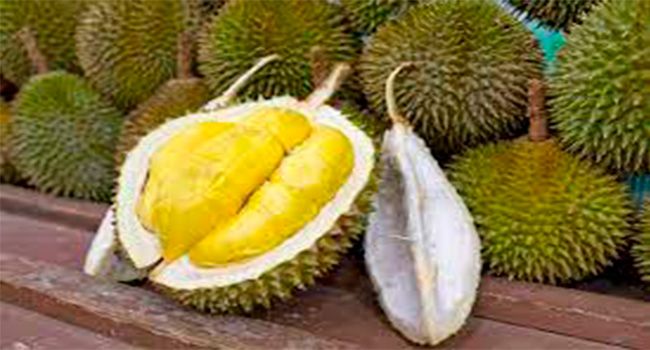
Season: May–August.
Known as the "king of fruits," durian has a strong smell that isn't for everyone and a custard-like flesh that most people who try it end up liking. First-timers are often wary — give it a chance.
How to pick one:
- the spikes on the husk should be intact and firm;
- tapping the husk should produce a dull, hollow sound;
- the smell should be strong but not sour or fermented — that usually means it's overripe.
Nutrition: high in antioxidants, potassium, and iron, with a good amount of healthy fat.
Passion fruit
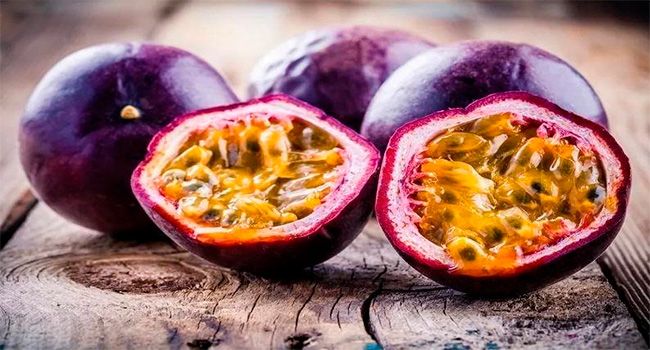
Season: July–October.
A tart, fragrant fruit — Thailand mostly grows the yellow variety.
How to pick one: look for wrinkled skin — the heavier the fruit, the juicier it is. A ripe one rattles slightly when you shake it.
Nutrition: high in dietary fibre and B vitamins.
Rambutan
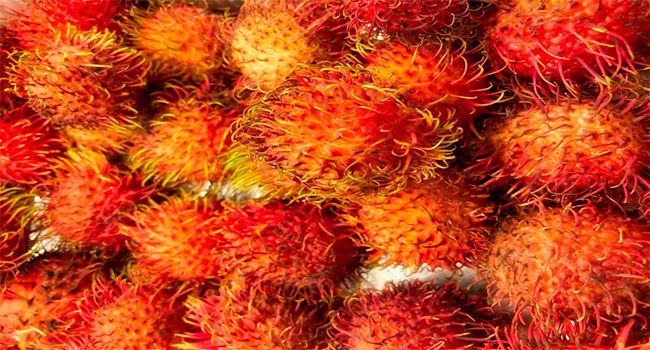
Season: May–September.
Easy to spot thanks to the soft spines on its skin, with sweet, translucent flesh inside.
How to pick one: the spines should look bright and springy, the skin free of dark spots, and the fruit itself firm.
Nutrition: a good source of vitamin C and iron.
Mangosteen
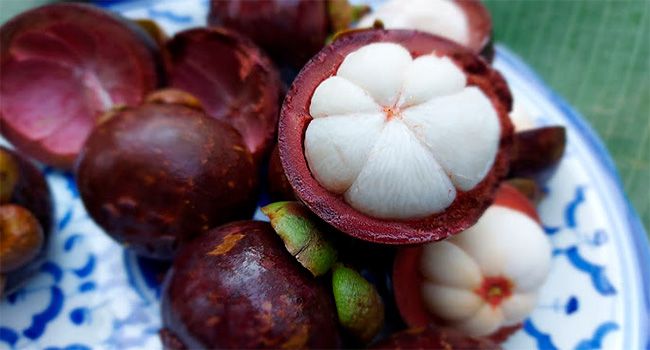
Season: May–October.
Called the "queen of fruits" for its delicate white flesh and refined, slightly tart-sweet taste.
How to pick one: the fruit should be firm, the skin deep purple with no damage, and the little green leaves underneath fresh rather than dried out.
Nutrition: strong antioxidant properties and general immune support.
Longan
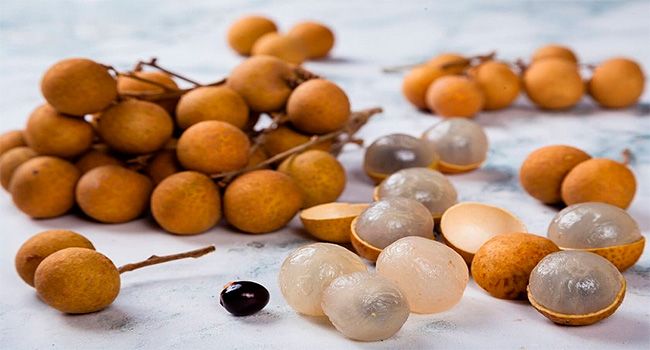
Season: July–October.
Sometimes called the "dragon's eye," longan is a sweet, juicy relative of lychee.
How to pick one: look for light brown skin, a firm fruit, and no dark spots or damage.
Nutrition: a good source of vitamin C.
Fruit available year-round
Beyond the seasonal list, bananas, papaya, coconut, pineapple, watermelon, and pomelo are available in Thailand all year — a safe bet if the fruit you're after isn't in season yet.
Where to buy fruit in Thailand
Getting to know the seasons makes it much easier to catch Thai fruit at its best — ripe, in season, and reasonably priced.
By the way, if you need to exchange cash while you're in Phuket, EXFM (formerly Fast Money Exchange) can help — at one of our offices or by courier, with no ATM or card required.